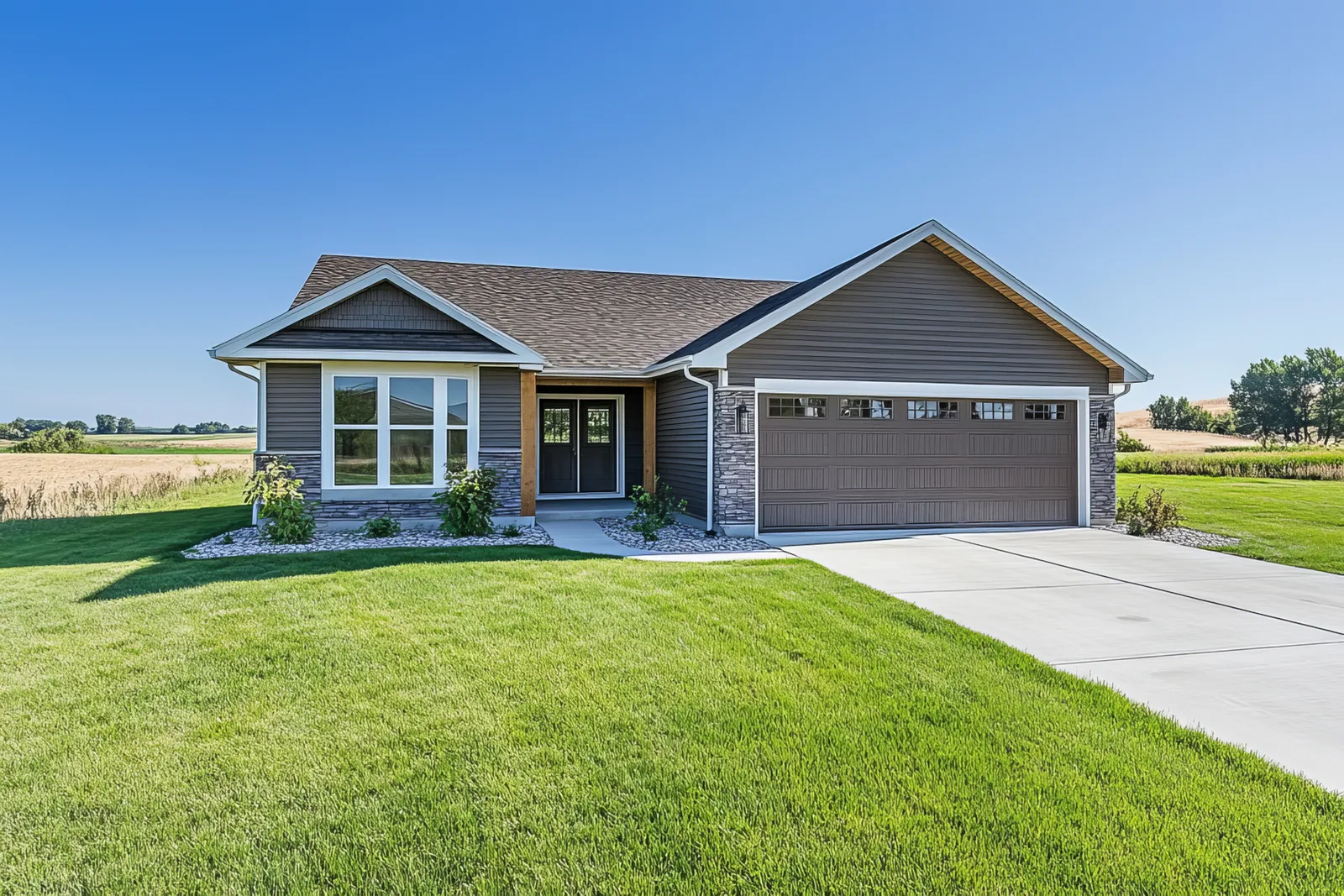
A roof is interrupted by pipes, walls, edges and other changes in shape. Shingles cannot simply continue through those interruptions. Flashing bridges them and directs water back onto the water-shedding surface.
At Lexington OK Roofing Co, a leak near one of those details is a reason to examine the connection and the covering around it. If you have noticed water, request a free roof inspection and tell us where it appears. The indoor location helps explain the concern without establishing the roof entry point by itself.
Overlaps Give the Water a Route
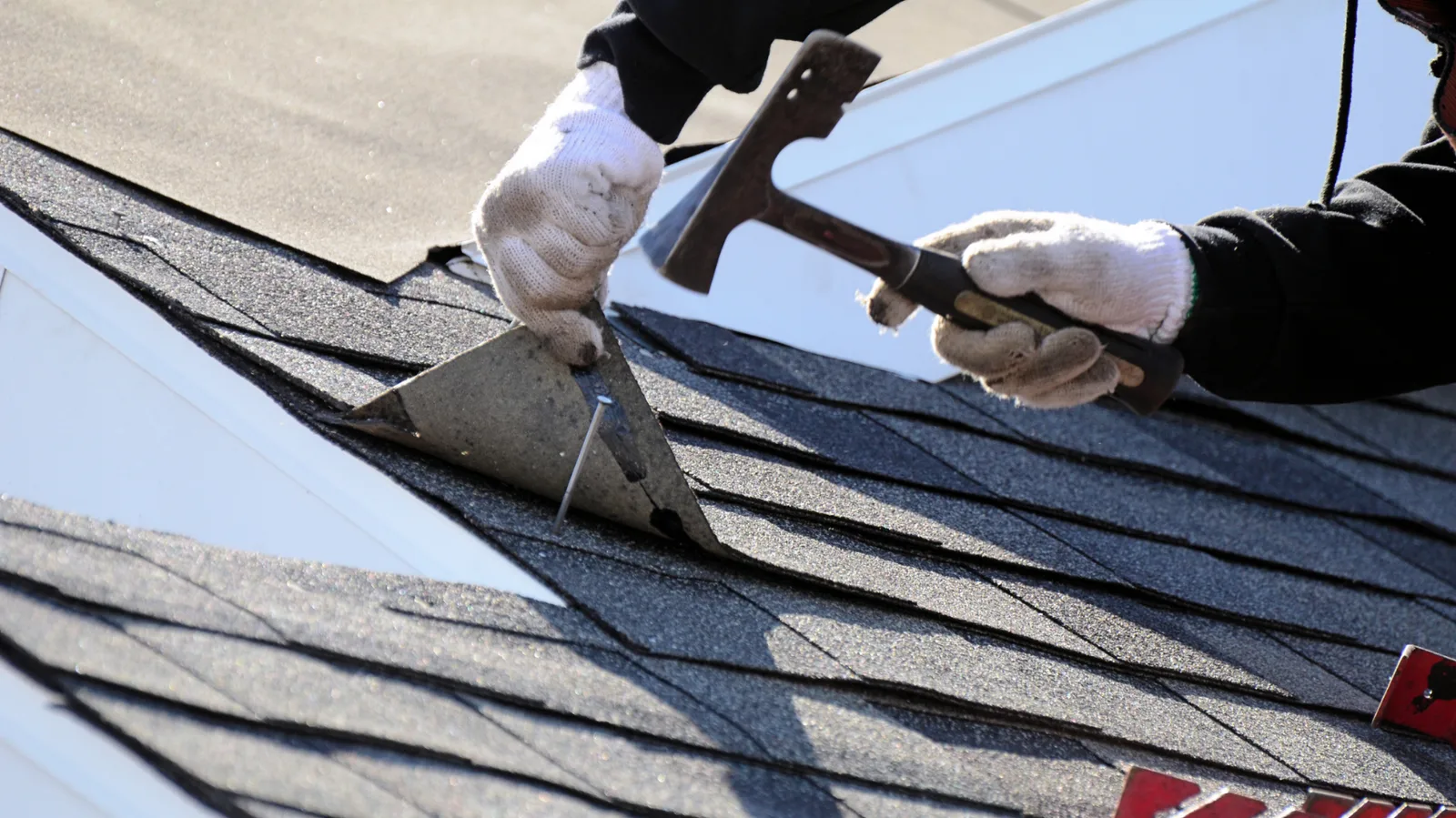
Shingles work through overlapping courses. A flashing detail must fit that route so water travels over the next piece and off the roof. If the metal ends in the wrong place, pulls away or depends only on a failing bead of sealant, rain can pass beneath the covering.
The repair needs to restore the relationship between the materials. Sometimes that requires lifting or replacing surrounding shingles, opening a wall transition or renewing a pipe boot. The visible crack is only one part of the detail.
Three Different Flashing Jobs
| Location | Job | What repair needs to consider |
|---|---|---|
| Around a pipe | Close the penetration while directing runoff onto the roof | The collar, base flashing, shingle laps and deck around the opening |
| Where a roof meets a wall | Keep wall runoff and roof runoff on the intended surfaces | Step or other appropriate flashing, counterflashing and the wall finish |
| At a roof edge | Direct runoff away from the exposed edge | Drip edge, underlayment, covering and any gutter connection |
A Sound Repair Needs Room to Connect
A new boot or piece of flashing must tie into workable adjacent material. Brittle shingles can break when lifted, and damaged wood can prevent proper attachment. Those conditions widen the repair even when the failed opening looks small.
That does not automatically make the entire roof a replacement job. The useful boundary is the amount of material that must be opened and rebuilt to make a sound connection. A local defect and broad deterioration deserve different recommendations.
Sealant Has a Role, but It Is Not the Whole Detail
Some roof systems specify sealant at particular joints. Its use should follow that system, rather than substitute for missing or incorrectly integrated flashing. Repeatedly coating the visible surface can hide the point that still lets water through.
The roofer checks the likely entry route, the flashing arrangement and the surrounding condition. That is how a repair moves beyond treating the stain indoors.
Choose the Work Around the Failed Connection
A serviceable roof with a local defect
Repair the failed flashing and affected surrounding material, with proper laps and attachment.
Explore Lexington roof repairWider deterioration around the repair
Consider the roof condition beyond the failed opening and compare the repair boundary with replacement scope.
Understand repair or replacement